Meet Dr. Elizabeth Harris, Mindhaven’s Medical Director
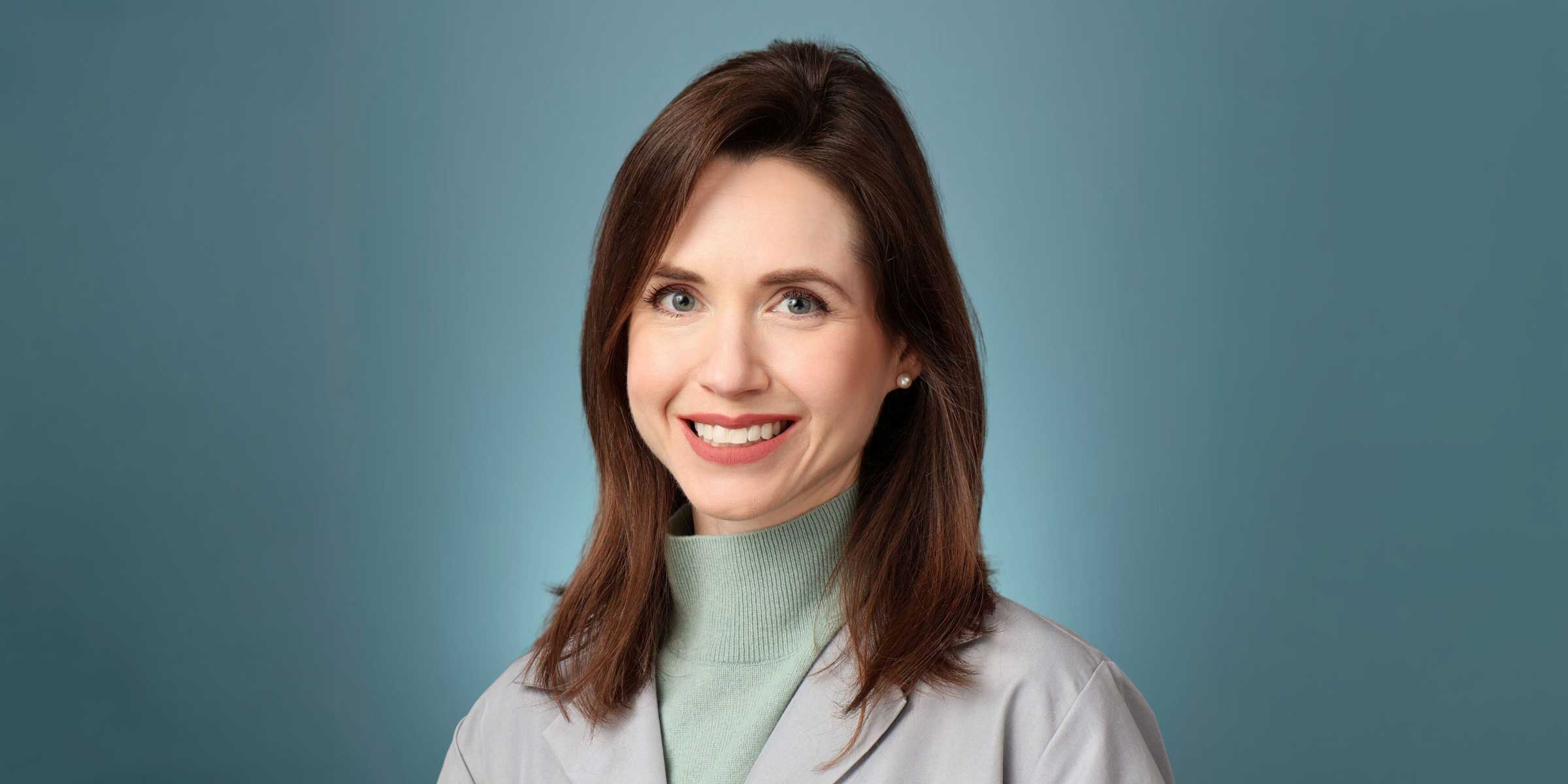
A neurologist at Endeavor Health with expertise in caring for patients with cognitive disorders and dementia, Dr. Elizabeth Harris serves as Mindhaven’s inaugural medical director.
Tell us a bit about yourself and how you became connected with Mindhaven.
I grew up in Indianapolis and studied biology, global health, and ethics at Emory University. After college, I did dementia research at the Indiana Center for Aging Research, then in medical school at Indiana University, I further honed my interest in geriatrics and neurology.
This ultimately led me to pursue neurology residency at the University of Chicago. I’ve been at Endeavor Health for the past 6 years, and have enjoyed being part of a large, collaborative group of subspecialists.
Outside of medicine, I’m married to a wonderful man, and the mother of a 5-year-old daughter and a 2-year-old son, who light up my life. I love animals and animal behavior, collecting rocks and minerals, and Chicago summers.
When I first connected with the Mindhaven founders several years ago, I wasn’t looking to leave my clinical practice. But I was inspired by their ambition and enthralled by the opportunity to help build a new model of dementia care—one that could improve not only the experience of seeking care, but ultimately the quality of life for patients and families. The Mindhaven team’s person-centered approach strongly aligned with how I believe patients and families should be cared for, so it felt like a natural fit.
How is Mindhaven’s mission to reimagine the experience of memory loss personal for you?
Mindhaven’s mission is personal to me on many levels. Growing up, I was very close with my grandmother, who was affected by dementia. I saw firsthand how dementia can impact not only a person, but also the lives of everyone who loves and cares for them.
And then there are my patients: people with decades of experiences, relationships, wisdom, interests, and identity, who happen to be experiencing cognitive decline. I have the privilege of caring for them. I often meet them at a vulnerable point in their lives. And I am constantly reminded that they are so much more than a diagnosis or a cognitive test score.
That’s why Mindhaven’s mission resonates with me. I want memory care to be about more than diagnosing disease and prescribing treatment. It should also help people navigate what comes next, preserve connection and purpose, support caregivers, and protect quality of life throughout the course of this illness. To me, reimagining the experience of memory loss means building care around the whole person and the people who love them.
From your perspective as a clinician, how will Mindhaven change what it’s like to care for individuals with memory loss?
Mindhaven is designed to make memory care less fragmented and less isolating. Too often, families receive a diagnosis and then are left to navigate a complicated system largely on their own, with limited understanding of what comes next, where to turn for help, and how to respond as needs change over time.
Our goal is to create a true homebase for dementia care: a place where medical care is connected with social work, education, caregiver support, community resources, and programs that promote connection, engagement, and quality of life.
Just as importantly, Mindhaven recognizes that caring for someone with memory loss means caring for the people around them as well. Supporting caregivers, anticipating challenges before they become crises, and helping families feel informed and accompanied throughout the course of illness are all central to the model.
Ultimately, my hope is that Mindhaven changes the experience from one that can feel confusing and reactive to one that feels coordinated, proactive, and deeply person-centered.
Together we’re rewriting the story of memory care.Join us today.